

Life After Gallbladder Removal: What to Understand About Digestion and Gut Health
Life after gallbladder removal can come with unexpected digestive changes. Learn how gallbladder removal may impact digestion, bile flow, and the gut microbiome, why low‑fat diets may not be ideal long‑term, and general considerations for supporting gut health through education, testing, and guided wellness care.
GUT HEALTH
Dr. Destiny Decker, D.C.
4/1/20263 min read

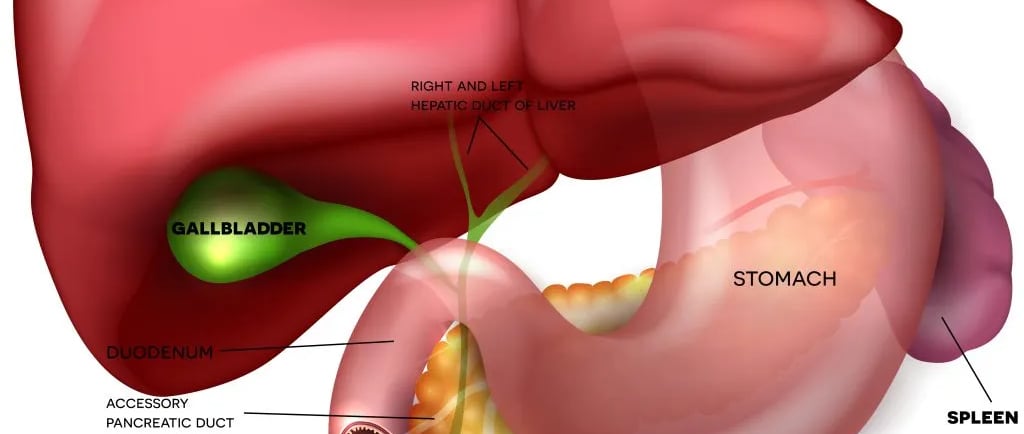
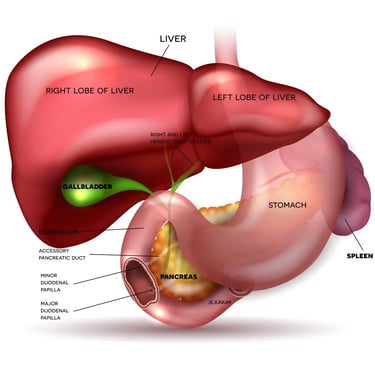
There are approximately 1.2 million gallbladder surgeries each year in the United States. That means millions of people are now living without an organ they were often told they “didn’t need.” Many are reassured that everything will return to normal with time, sometimes with the suggestion to eat a low‑fat diet.
However, many individuals later notice that their digestion, energy, or bowel habits never quite feel the same. Understanding why this can happen may help people make more informed decisions about how they support their gut health moving forward.
The Role of the Gallbladder in Digestion
The gallbladder plays a coordinated role in digestion. Rather than functioning only as a storage pouch, it helps time, concentrate, and regulate the release of bile in response to dietary fat.
Bile assists with:
Emulsifying dietary fats
Supporting absorption of fat‑soluble nutrients
Regulating stool consistency
Influencing microbial balance in the gut
When the gallbladder is removed, bile is no longer released in a regulated, meal‑dependent way. Instead, it flows more continuously into the digestive tract in an unconcentrated form.
How Gallbladder Removal can Affect the Digestive System Long‑Term
Without the gallbladder’s regulatory function, digestion can become less efficient. Over time, this may contribute to symptoms such as:
Bloating or gas after meals
Changes in bowel regularity
Loose stools or urgency
Difficulty tolerating fatty foods
Feelings of incomplete digestion
These effects are commonly reported and reflect predictable changes in digestive physiology rather than random dysfunction.
How Impaired Fat Absorption Can Influence Long‑Term Neurologic and Chronic Disease Risk
When bile is no longer concentrated or released in a timed way after gallbladder removal, fat digestion can become chronically inefficient. This matters beyond the gut. Adequate fat absorption is required for proper uptake of fat‑soluble vitamins, maintenance of neuronal cell membranes, anti‑inflammatory signaling, and regulation of the gut‑brain axis.
Emerging research has linked chronic fat malabsorption, bile acid disruption, and gut microbiome imbalance to increased susceptibility to neurologic and systemic conditions over time. In particular, alterations in bile signaling and microbiome composition have been associated with neuroinflammation and increased risk of neurodegenerative disorders, including Parkinson’s disease. The gut is now understood to play a significant role in brain health, and long‑standing digestive dysfunction may influence inflammatory and neurologic pathways years before symptoms appear.
Because bile acids also help regulate bacterial populations and intestinal barrier integrity, diluted and mistimed bile delivery may contribute to microbial shifts that affect immune regulation, toxin clearance, and nervous system signaling. These changes do not guarantee disease, but they help explain why some individuals develop chronic inflammatory, metabolic, or neurologic conditions long after gallbladder removal — even when digestion seemed “fine” initially.
Potential Effects on the Gut Microbiome
Bile acids play an important role in maintaining balance in the gut environment. Bile influences which microbes thrive and helps limit the overgrowth of certain bacteria.
When bile delivery becomes less coordinated, the intestinal ecosystem can shift, potentially contributing to:
Altered bacterial balance
Increased intestinal irritation
Changes in fermentation and gas production
For this reason, some individuals choose to explore advanced stool testing with their healthcare provider to better understand how their gut environment may have been affected due to the broader impacts that dysbiosis can have on the whole body.
Why Some People Explore Comprehensive Stool Testing
Comprehensive stool testing that we offer at The Wellness Way can offer insights into:
Fat digestion patterns
Bile acid activity
Inflammatory markers
Overall microbial balance
This type of testing can help guide informed conversations with your healthcare professional about digestive support strategies.
Considerations Around Very Low‑Fat Diets
Many people without gallbladders are advised to strictly avoid dietary fat. While reducing large amounts of processed fats may feel helpful short‑term, long‑term avoidance of healthy fats does not support overall wellness.
Dietary fats are involved in:
Hormone production
Brain and nervous system function
Cell membrane health
Absorption of fat‑soluble nutrients
Working toward improved fat digestion — rather than complete avoidance — is what your healthcare provider should be discussing with you.
Digestive and Bile Support as a General Consideration
Because bile flow and fat digestion can change after gallbladder removal, some people explore digestive or bile‑supportive options such as ox bile. These bile acid supplements are usually taken with a fatty meal to ensure that there is a concentrated form of bile going into the system at the correct time to aid in digestion. However, these approaches are not one‑size‑fits‑all and should always be individualized.
Any supplementation or digestive strategy should be discussed with your Wellness Way doctor who can review health history, symptoms, and appropriate testing.
Moving Forward Without a Gallbladder
Gallbladder removal is common, but common does not always mean insignificant. For those who continue to experience digestive concerns, exploring education, testing, and personalized support may help clarify next steps.
If you’ve had your gallbladder removed and still have questions about digestion or gut health, consider speaking with one of our doctors to discuss testing options and nutrition considerations.

Connect with us
Join us on a journey to wellness today.
leesburg@thewellnessway.com
(571) 680-1094
© 2025. All rights reserved.
Location
540 Fort evans rd Ne Suite 302 Leesburg, VA 20176